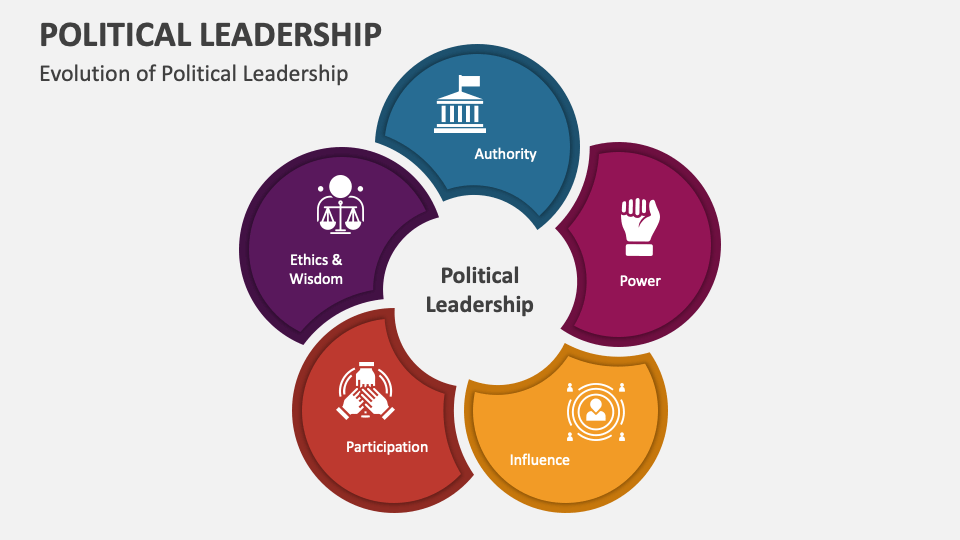
Political leadership plays a fundamental role in maintaining public trust and ensuring stable governance. Citizens expect their leaders to act transparently, make responsible decisions, and prioritize the well-being of society. When governments demonstrate accountability and ethical leadership, public confidence in institutions tends to increase.
Transparency is one of the most important elements of trustworthy governance. Governments that openly communicate policy decisions and financial information allow citizens to understand how public resources are managed. Transparent institutions encourage democratic participation and informed public debate.
Public trust also depends on effective policy implementation. Governments must deliver essential services such as education, healthcare, and infrastructure while addressing economic and social challenges. Consistent performance strengthens citizens’ confidence in political leadership.
Modern communication technologies have transformed how leaders interact with the public. Social media and digital platforms allow politicians to communicate directly with citizens and respond to public concerns more quickly.
However, these technologies also require responsible communication practices. Misinformation and political polarization can undermine public trust if not addressed through responsible leadership.
Political leaders who prioritize integrity, transparency, and collaboration help build strong democratic institutions. By maintaining open dialogue with citizens and promoting ethical governance, leaders contribute to long-term political stability and social cohesion.