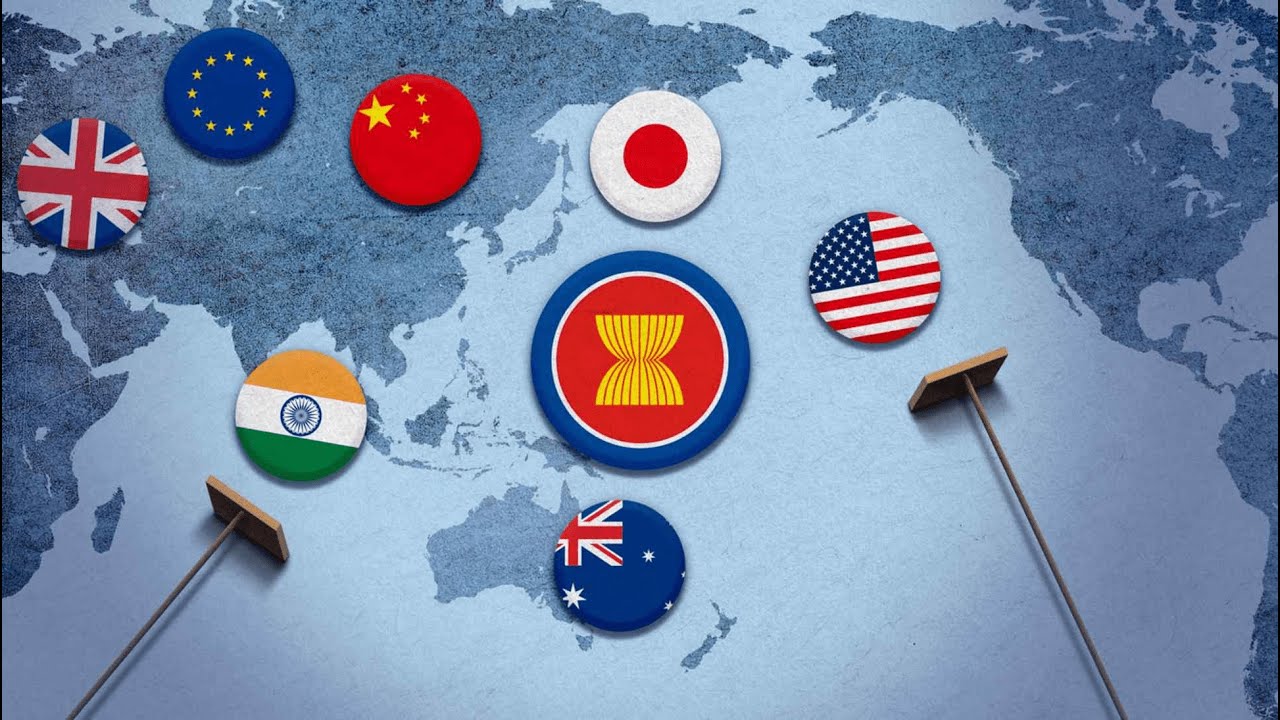
Geopolitical cooperation plays an important role in maintaining stability across regions and supporting international development. Countries often form regional alliances to strengthen economic ties, coordinate security strategies, and promote diplomatic collaboration.
Regional organizations provide platforms where governments can discuss shared challenges such as trade policy, environmental protection, and infrastructure development. These alliances encourage cooperation that benefits multiple nations simultaneously.
Economic integration is one of the key motivations behind regional cooperation. Trade agreements reduce tariffs and simplify regulations, allowing businesses to expand across borders more efficiently. Strong economic partnerships often lead to increased investment and job creation.
Security cooperation is another important aspect of geopolitical alliances. Governments share intelligence information, coordinate defense policies, and develop strategies to address cross-border threats.
Cultural and educational exchanges also strengthen international relationships. Universities, research institutions, and cultural organizations collaborate on programs that encourage understanding between societies.
As global challenges become more complex, regional alliances will continue to play a critical role in fostering cooperation and stability across the international community.