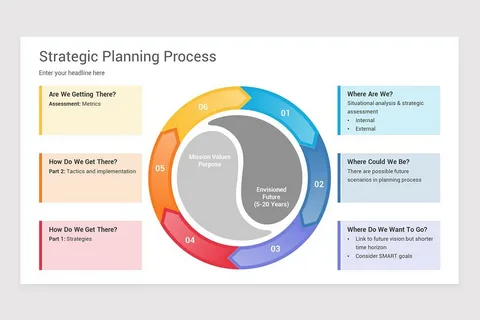
Strategic planning allows organizations to define long-term goals and develop structured approaches for achieving them. Businesses that invest time in planning often respond more effectively to market changes and economic challenges.
Strategic planning typically begins with market analysis. Companies evaluate industry trends, competitor behavior, and customer demand to identify opportunities for growth. These insights help managers design realistic business objectives.
Leadership teams also evaluate internal capabilities such as workforce skills, technology infrastructure, and financial resources. Understanding these strengths and limitations allows organizations to develop practical strategies.
Implementation plays an equally important role in strategic planning. Companies must align departments, allocate resources, and monitor performance indicators to ensure that strategies translate into real results.
Digital tools help organizations manage strategic planning processes. Data analytics platforms allow managers to track performance metrics and adjust strategies when necessary.
Successful strategic planning requires continuous evaluation and adaptability. Businesses that regularly review their strategies remain flexible and capable of responding to evolving market conditions.
By combining thoughtful planning with effective execution, organizations can maintain competitiveness and achieve sustainable growth in dynamic economic environments.