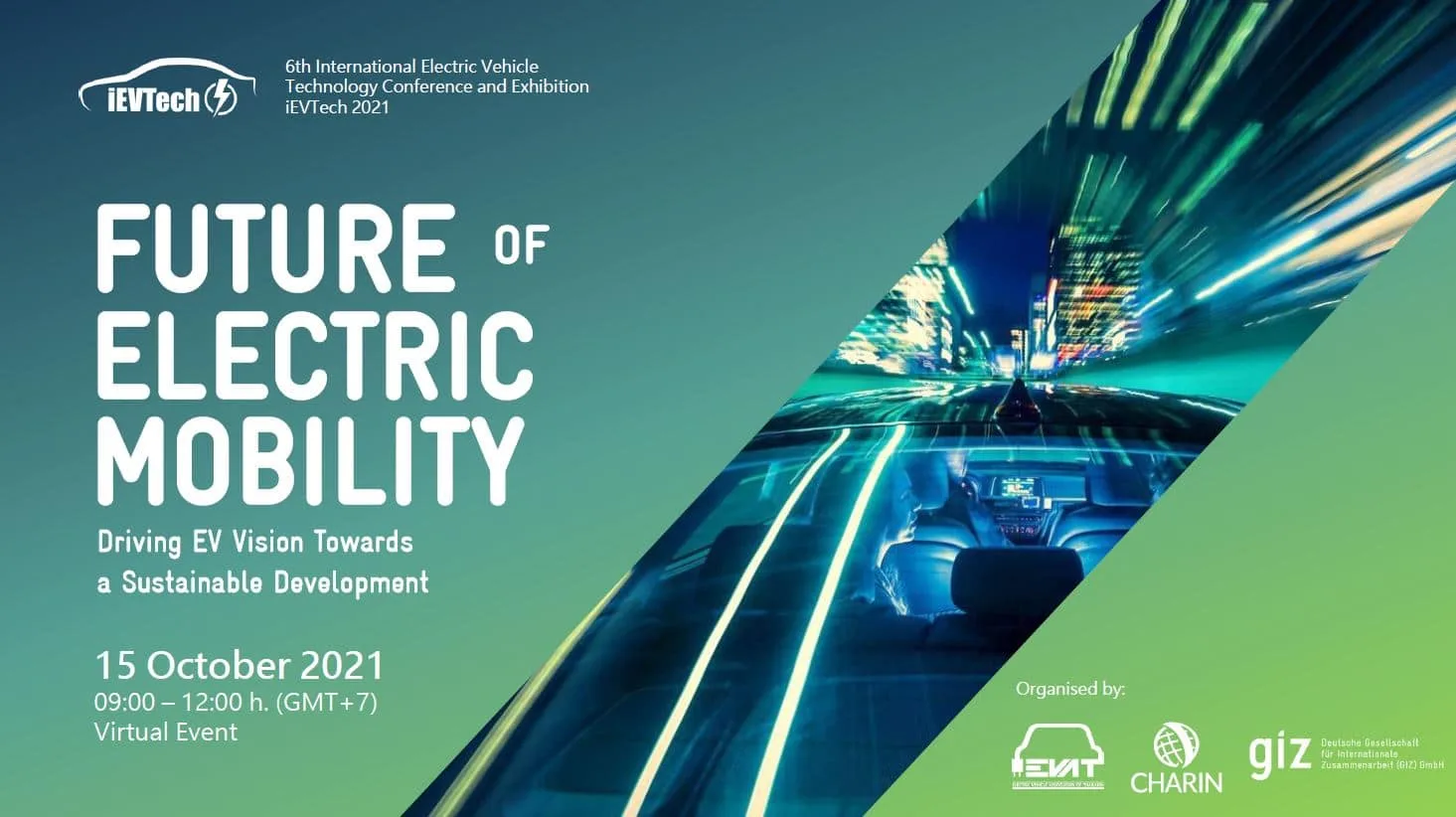
Electric mobility is transforming transportation systems as governments and manufacturers focus on reducing environmental impact. Electric vehicles use rechargeable batteries rather than traditional fuel engines, significantly lowering greenhouse gas emissions.
The transition toward electric transportation requires investment in charging infrastructure. Public charging stations located in urban centers and along highways allow drivers to recharge vehicles conveniently.
Automotive companies continue developing new battery technologies that improve driving range and charging speed. Advances in energy storage make electric vehicles more practical for everyday use.
Governments also encourage electric mobility through policy incentives. Subsidies, tax benefits, and environmental regulations support the transition toward cleaner transportation solutions.
Smart transportation systems integrate electric vehicles with digital traffic management platforms. These technologies help reduce congestion and improve energy efficiency.
Electric mobility represents an important step toward sustainable urban development. As battery technology improves and infrastructure expands, electric vehicles will play an increasingly significant role in global transportation.