Smart vehicles integrate digital technologies that enhance safety, navigation, and driver convenience. Automotive manufacturers increasingly equip vehicles with sensors, connectivity systems, and intelligent software.
Driver assistance technologies help drivers maintain safe distances, detect obstacles, and respond to changing road conditions. These systems reduce accident risks and improve overall driving safety.
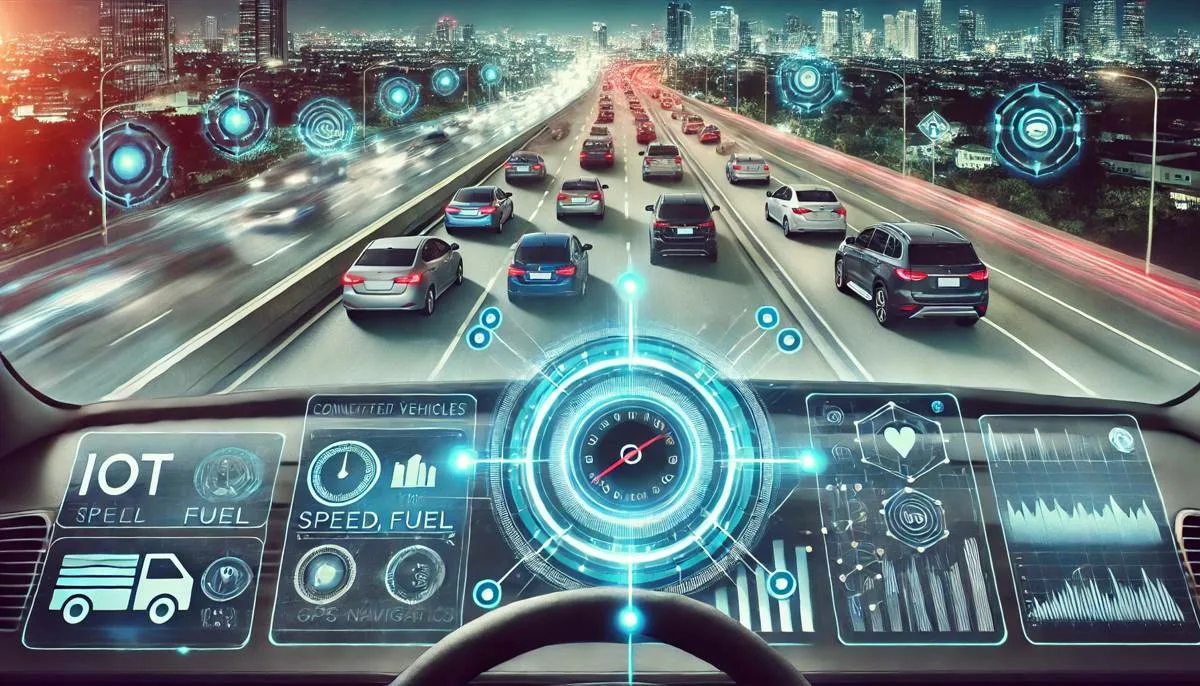
Connected vehicle platforms allow cars to communicate with digital infrastructure. Navigation systems receive real-time traffic updates and suggest efficient travel routes.
Automakers also integrate entertainment and communication features within modern vehicles. Drivers can access music streaming services, voice assistants, and mobile applications through vehicle interfaces.
Software updates delivered through wireless networks allow manufacturers to improve vehicle functionality after purchase. These updates may include performance improvements, security enhancements, and new digital features.
As automotive technology continues evolving, smart vehicles will become increasingly integrated with digital ecosystems and urban transportation systems.